Embarking on a vacation should be an exciting experience, not a stressful one. Planning your trip doesn’t have to be overwhelming. With the help of AI and a structured approach, you can create a personalized itinerary that aligns perfectly with your desires, ensuring a smooth and memorable journey. This guide will walk you through the process, from defining your dream vacation to enjoying every moment of it.
We’ll explore how to identify your travel goals, leverage automated tools for destination discovery, structure your itinerary effectively, and incorporate personalized touches. You’ll learn how to create detailed daily schedules, gather activity recommendations, optimize travel logistics, and manage your budget. Furthermore, we’ll delve into contingency planning to address potential issues and ensure you’re prepared for anything that comes your way, all while utilizing the power of AI to streamline the process.
Defining Your Vacation Goals and Preferences
Planning a vacation can feel overwhelming, but it becomes much easier when you clarify your goals and preferences. This initial step is crucial, as it guides all subsequent decisions, from destination selection to activity planning. Understanding what you want to achieve and enjoy on your trip ensures a more satisfying and personalized experience.
Types of Vacation Goals
Defining your vacation goals helps you to select a destination and activities that align with your desired experience. These goals can be broadly categorized, with some overlap possible.
- Relaxation: This focuses on unwinding and de-stressing. This could involve spending time at a spa, lounging on a beach, or simply enjoying a slower pace of life. Example: A week-long stay at a beachfront resort with spa treatments.
- Adventure: This emphasizes thrilling activities and exploring the unknown. This may involve hiking, climbing, or participating in water sports. Example: A backpacking trip through the Himalayas, trekking and camping.
- Cultural Immersion: This centers on experiencing different cultures, traditions, and lifestyles. This could include visiting historical sites, attending local festivals, or learning a new language. Example: A trip to Rome, Italy, including visits to the Colosseum, Vatican City, and cooking classes.
- Family Time: This prioritizes creating lasting memories with loved ones. This may involve visiting theme parks, participating in family-friendly activities, or simply spending quality time together. Example: A Disney World vacation with children.
- Learning and Education: This involves expanding knowledge and skills. This may involve attending workshops, visiting museums, or exploring historical sites. Example: A trip to London, UK, with visits to the British Museum and historical walking tours.
Identifying Personal Travel Preferences
Your personal travel preferences influence the type of vacation you’ll enjoy most. Considering these factors helps you tailor your trip to your specific needs and desires.
- Budget: Determining a realistic budget is essential for narrowing down your options. Consider all costs, including transportation, accommodation, activities, food, and souvenirs.
- Duration: The length of your trip significantly impacts your destination choices and activities. Short trips might be better suited for nearby destinations, while longer trips allow for more extensive exploration.
- Activities: Identify the activities you enjoy. Are you interested in outdoor adventures, historical sites, relaxing on the beach, or exploring city life?
- Travel Style: Consider your preferred travel style. Do you prefer luxury accommodations, budget-friendly options, or a mix of both? Do you prefer independent travel or organized tours?
Clarifying Vacation Aspirations
Asking yourself specific questions can help clarify your vacation aspirations and guide your planning process.
- What is the primary purpose of this vacation? (e.g., relaxation, adventure, cultural immersion)
- What is my budget for this trip? (e.g., $500, $2,000, $5,000+)
- How long can I realistically be away? (e.g., a weekend, a week, two weeks)
- What activities do I most enjoy? (e.g., hiking, museums, relaxing on the beach)
- What type of accommodation do I prefer? (e.g., hotel, Airbnb, hostel)
- Do I prefer to travel independently or with a tour group?
- Are there any destinations I’ve always dreamed of visiting?
- Are there any specific experiences I want to have on this trip? (e.g., learn to surf, see the Northern Lights)
- Who am I traveling with? (e.g., solo, with family, with friends)
- What is my preferred pace of travel? (e.g., fast-paced, relaxed)
Leveraging Automated Tools for Destination Discovery
Now that you’ve defined your vacation goals and preferences, it’s time to put technology to work! Automated tools can significantly streamline the destination discovery process, saving you time and effort while uncovering hidden gems you might have missed. These tools use algorithms and vast databases to match your desires with potential travel destinations, offering personalized recommendations and detailed comparisons. Let’s explore how to harness the power of these tools.
Utilizing Tools for Destination Matching
Automated tools excel at matching your defined goals and preferences with suitable destinations. They analyze your input, such as budget, desired activities, and travel dates, to provide relevant recommendations.Here’s how these tools work:
- Input and Analysis: You input your travel criteria (budget, interests, dates, etc.) into the tool. The tool’s algorithm analyzes this data.
- Database Search: The tool searches its database of destinations, which includes information on costs, activities, weather, and more.
- Matching and Ranking: The algorithm matches your criteria with destination data and ranks the results based on relevance and compatibility.
- Presentation of Results: The tool presents you with a list of recommended destinations, often with detailed information, photos, and links to further resources.
For example, a tool might suggest Iceland as a destination if you input “budget: medium,” “interests: hiking, nature, photography,” and “travel dates: June.” The tool would highlight Iceland’s hiking trails, stunning landscapes, and favorable weather conditions during June, providing a tailored recommendation.
Comparing Destinations Using Automated Tools
Once you have a list of potential destinations, comparing them becomes crucial. Automated tools offer several ways to facilitate this comparison, allowing you to make informed decisions.Consider these comparison methods:
- Side-by-Side Comparisons: Many tools allow you to compare multiple destinations side-by-side, displaying key information such as average costs, weather patterns, and available activities.
- Filtering and Sorting: Tools often offer filtering and sorting options, enabling you to narrow down your choices based on specific criteria. For instance, you could filter destinations by budget, then sort them by average temperature.
- Visualizations: Some tools use maps and other visualizations to illustrate key data points, such as the location of attractions or the distribution of costs.
For instance, a tool might show you that Bali offers a lower average cost and warmer temperatures than Switzerland during your travel dates, but Switzerland provides more opportunities for skiing and snowboarding.
Strengths and Weaknesses of Destination Discovery Tools
Different destination discovery tools have varying strengths and weaknesses. Understanding these differences helps you choose the right tool for your needs.Here is a comparative table:
| Tool | Strengths | Weaknesses | Examples |
|---|---|---|---|
| Online Travel Agencies (OTAs) | Large databases, price comparison, booking capabilities, user reviews. | Can be biased towards specific hotels or airlines, less personalized recommendations, overwhelming amount of information. | Booking.com, Expedia, Kayak |
| Specialized Destination Planning Websites | Focus on specific interests (e.g., adventure travel, luxury travel), detailed information on attractions and activities, curated itineraries. | May have a smaller database of destinations, can be limited in terms of price comparison, may require subscription fees. | The Points Guy, Lonely Planet, Culture Trip |
| AI-Powered Travel Assistants | Highly personalized recommendations, conversational interface, real-time updates, ability to learn from user preferences. | Reliance on data accuracy, potential for errors in recommendations, may lack in-depth information on niche destinations. | Google Travel, Tripadvisor’s AI-powered tools |
| Social Media and Travel Blogs | User-generated content, authentic experiences, visual inspiration, up-to-date information on trends. | Information may be biased or unreliable, requires extensive research, can be time-consuming. | Instagram, Pinterest, travel blogs |
This table provides a concise overview, allowing you to evaluate the pros and cons of each tool type and select the one that best suits your needs and preferences for planning your next vacation itinerary.
Structuring Your Itinerary
Now that you’ve defined your vacation goals and preferences, and explored potential destinations, it’s time to structure your itinerary. This involves creating a timeline, prioritizing activities, and building in flexibility. A well-structured itinerary is your roadmap to a successful and enjoyable trip.
Timeline Creation and Activity Prioritization
The foundation of your itinerary is a timeline. This helps you visualize your trip and allocate time effectively. Prioritizing activities ensures you focus on what matters most.To begin, determine your travel dates and the total number of days. Then, break down each day into segments: morning, afternoon, and evening. Consider travel time between locations, especially if you’re visiting multiple places.
For instance, if you’re traveling to Rome, Italy, and plan to visit the Colosseum, the Vatican City, and the Trevi Fountain, allocate specific time slots for each attraction, factoring in travel time, potential queues, and the time you’ll spend at each location.Next, prioritize activities based on your vacation goals. Are you most interested in historical sites, relaxation, culinary experiences, or adventure?
Rank your desired activities accordingly. Consider which activities require advance booking (e.g., tours, popular restaurants) and schedule them first. For example, if you’re visiting the Anne Frank House in Amsterdam, booking your tickets well in advance is crucial as they often sell out weeks or even months ahead.Here’s a simplified example of how you might structure a single day in your itinerary:
| Time | Activity | Notes |
|---|---|---|
| 9:00 AM – 12:00 PM | Visit Colosseum | Pre-booked tickets required. Allow time for security check. |
| 12:00 PM – 1:00 PM | Lunch at a Trattoria | Research restaurants near the Colosseum. |
| 1:00 PM – 4:00 PM | Explore Roman Forum | Wear comfortable shoes; the area is vast. |
| 4:00 PM – 5:00 PM | Travel to Trevi Fountain | Allow for walking time. |
| 5:00 PM – 6:00 PM | Visit Trevi Fountain | Toss a coin! |
| 7:00 PM | Dinner | Reservations recommended. |
Incorporating Flexibility
Unexpected events can and will happen during travel. Flights get delayed, attractions close unexpectedly, or you might simply discover a hidden gem that wasn’t on your original list. Incorporating flexibility into your itinerary is key to minimizing stress and maximizing enjoyment.Build buffer time into your schedule. Leave gaps between activities, especially when traveling between locations. This allows for unexpected delays or the opportunity to linger longer at a place you enjoy.
If you plan to visit the Louvre Museum in Paris, consider allocating more time than you think you’ll need. It’s a vast museum, and you might find yourself captivated by a particular exhibit for longer than anticipated.Be prepared to adjust your plans. Have backup activities in mind for each day, and be willing to swap activities around. If the weather is unfavorable for a planned outdoor activity, have an indoor alternative ready.
For instance, if your plan to hike in the Scottish Highlands is thwarted by rain, consider visiting a local museum or distillery instead.Consider using a travel app that provides real-time updates on flight delays, traffic, and other potential disruptions. This can help you stay informed and make informed decisions on the go.
Essential Elements for an Initial Itinerary Draft
An initial itinerary draft should include several key elements to ensure a comprehensive plan.
- Travel Dates: Clearly state the start and end dates of your trip.
- Destination: Specify the city, region, or country you are visiting.
- Daily Schedule: Artikel activities for each day, including start and end times.
- Accommodation: List your hotels or other lodging arrangements. Include addresses and contact information.
- Transportation: Detail how you will travel between locations (flights, trains, car rentals, etc.). Include booking confirmations and schedules.
- Activity Details: Provide brief descriptions of planned activities, including addresses, opening hours, and any necessary booking information.
- Budget: Include estimated costs for each activity, accommodation, transportation, and food.
- Contact Information: Have readily available contact information for emergency services, your travel companions, and your accommodation.
Building a Detailed Daily Schedule
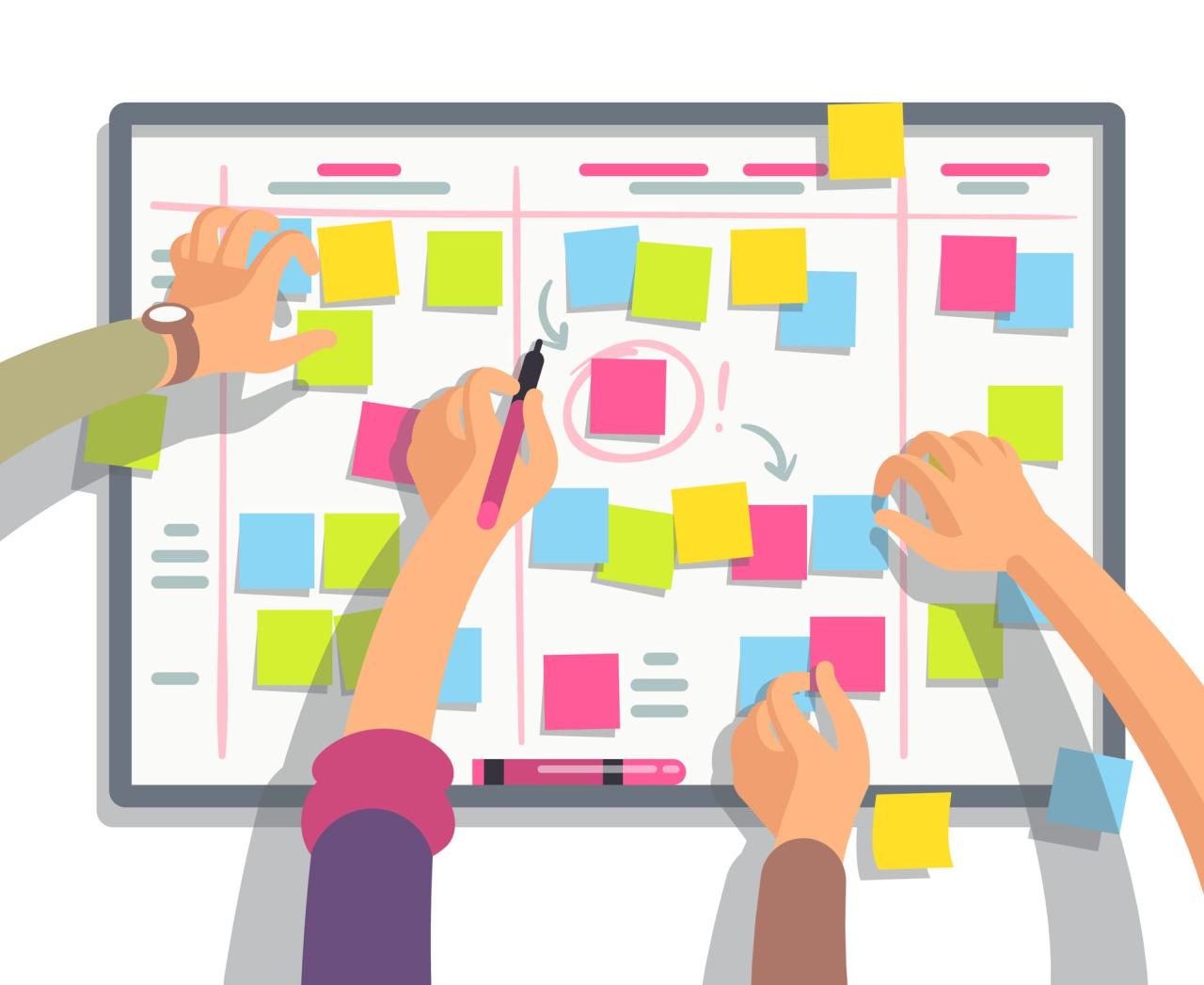
Creating a detailed daily schedule is crucial for maximizing your vacation enjoyment and minimizing stress. A well-structured itinerary ensures you make the most of your time, experience all the planned activities, and still have room for relaxation. This section will guide you through the process of crafting effective daily schedules tailored to different vacation types.
Time Allocation for Activities, Travel, and Downtime
Effective time allocation is the cornerstone of a successful daily schedule. It involves balancing activities, travel time, and downtime to create a fulfilling and manageable itinerary.* Activities: Accurately estimate the time required for each activity. This includes the actual activity duration (e.g., museum visit, hike) and any associated time, such as waiting in line or travel to the location.
Travel
Factor in travel time between locations. This includes time for transportation (e.g., driving, public transport) and any buffer time for potential delays. Use online mapping tools (like Google Maps) to estimate travel durations.
Downtime
Incorporate periods of downtime throughout the day. This allows for relaxation, spontaneous exploration, and prevents burnout. Downtime can include breaks for meals, resting at your accommodation, or simply enjoying a coffee.
Remember to be realistic with your time estimates. It’s better to overestimate than underestimate the time required for activities and travel.
Structuring a Daily Schedule for Different Vacation Types
The structure of your daily schedule will vary depending on the type of vacation you are planning. Here are examples for a city break, beach holiday, and road trip.* City Break: A city break often involves a mix of sightseeing, cultural experiences, and culinary adventures. The schedule should be packed with activities, but also include breaks.
Morning
Visit a landmark, like the Eiffel Tower in Paris, from 9:00 AM to 11:00 AM. This allows you to beat the crowds and enjoy the morning light.
Lunch
Have lunch at a local bistro from 12:00 PM to 1:00 PM.
Afternoon
Explore a museum or art gallery from 2:00 PM to 4:00 PM.
Evening
Enjoy dinner at a restaurant from 7:00 PM to 8:00 PM, followed by an evening stroll.
Downtime
Include coffee breaks or shopping time in between activities.* Beach Holiday: A beach holiday is generally more relaxed. The schedule should revolve around beach time, with opportunities for other activities.
Morning
Spend the morning at the beach from 9:00 AM to 12:00 PM.
Lunch
Have lunch at a beachside cafe from 12:00 PM to 1:00 PM.
Afternoon
Engage in water sports or read a book from 2:00 PM to 5:00 PM.
Evening
Enjoy dinner at a restaurant from 7:00 PM to 8:00 PM, followed by a sunset walk.
Downtime
Allocate significant time for relaxation and swimming.* Road Trip: A road trip requires careful planning to accommodate driving time, sightseeing, and overnight stays. The schedule should be flexible to allow for unexpected stops.
Morning
Drive to the first destination from 8:00 AM to 11:00 AM.
Mid-day
Visit a scenic viewpoint or a local attraction from 11:00 AM to 1:00 PM.
Lunch
Have lunch at a roadside diner from 1:00 PM to 2:00 PM.
Afternoon
Continue driving to the next destination from 2:00 PM to 5:00 PM.
Evening
Check into accommodation and have dinner from 6:00 PM to 8:00 PM.
Downtime
Include rest stops and flexible time for spontaneous adventures.
Incorporating Specific Activities into the Daily Schedule
Specific activities, such as dining reservations and museum visits, need to be carefully integrated into your daily schedule.* Dining Reservations: Make restaurant reservations in advance, especially for popular restaurants or during peak seasons. Factor in travel time to the restaurant and any buffer time for potential delays.
Example
If you have a dinner reservation at 7:30 PM, plan to leave your accommodation at 7:00 PM, allowing time for travel.* Museum Visits: Check the opening hours and book tickets online in advance to avoid long queues. Consider the time required for each exhibit or area of the museum.
Example
If a museum visit is planned for 2:00 PM and requires 3 hours, allocate time for travel and a buffer.* Tours and Excursions: Schedule tours and excursions based on their start and end times. Factor in any pre-tour activities, such as check-in or orientation.
Example
If a guided tour starts at 10:00 AM, plan to arrive at the meeting point at least 15 minutes beforehand.
Incorporating Activity Suggestions and Recommendations
Now that you’ve established your goals, preferences, and a basic itinerary structure, it’s time to populate your schedule with exciting activities. This step involves gathering, evaluating, and ultimately selecting the best experiences to make your vacation memorable. We’ll delve into the process of sourcing activity suggestions, filtering them to match your vision, and incorporating them into your daily plan.
Methods for Gathering Activity Suggestions
Finding the perfect activities requires a multi-pronged approach. Leverage diverse sources to gather a rich collection of potential experiences.
- Travel Blogs and Websites: These are goldmines of insider information. Look for blogs specializing in your destination or travel style (e.g., budget travel, luxury travel, family travel). They often provide detailed reviews, itineraries, and tips. Search engines are your friend; use specific s like “best things to do in [destination]” or “[destination] travel blog.”
- Online Travel Reviews and Platforms: Websites like TripAdvisor, Yelp, and Google Reviews are excellent resources. Read reviews from other travelers to gauge the popularity and quality of activities. Pay attention to both positive and negative feedback to get a balanced perspective.
- Social Media: Platforms like Instagram, Pinterest, and Facebook are great for visual inspiration. Search for hashtags related to your destination (e.g., #Paris, #EiffelTower) and browse photos and videos. Often, travelers will share their experiences and recommendations in the captions.
- Guidebooks: Traditional guidebooks (Lonely Planet, Rick Steves) still offer valuable insights. They typically provide curated lists of attractions, restaurants, and activities, along with historical context and practical information.
- Local Tourism Boards: The official tourism board website for your destination is a reliable source of information. They often have curated lists of attractions, events, and tours, as well as up-to-date information on opening hours and pricing.
Evaluating and Filtering Recommendations
With a wealth of suggestions in hand, the next step is to evaluate and filter them to align with your vacation goals and preferences. This ensures you create an itinerary that is truly tailored to your needs.
- Consider Your Goals: Review your initial vacation goals (e.g., relaxation, adventure, cultural immersion). Does the activity align with those goals? If your goal is relaxation, a fast-paced city tour might not be the best fit.
- Match Preferences: Think about your personal preferences (e.g., interest in history, food, art). Select activities that cater to these interests. If you love food, prioritize cooking classes or food tours.
- Read Reviews Carefully: Pay attention to what other travelers are saying. Look for patterns in the reviews. Are there consistent complaints about long lines, poor service, or misleading information? These can be red flags.
- Assess Practical Considerations: Factor in practical considerations like location, time, and budget. How long will it take to get to the activity? Does it fit within your daily schedule? Does it fit your budget?
- Prioritize and Rank: Not every suggestion will make the cut. Create a prioritized list of activities, ranking them based on your interest and how well they align with your goals and preferences.
Example Activity Suggestions for Paris
Here are some example activity suggestions for Paris, France, along with detailed descriptions, demonstrating how to incorporate them into your itinerary.
Activity: Visit the Eiffel Tower
Description: A must-see icon of Paris. Consider pre-booking tickets online to avoid long queues. Options include climbing to the top for panoramic views or enjoying a picnic on the Champ de Mars below. The Eiffel Tower’s construction was completed in 1889 for the Exposition Universelle, marking a pivotal moment in engineering and design. The structure’s design was met with controversy initially, but has since become a symbol of Paris.
Activity: Explore the Louvre Museum
Description: Home to masterpieces like the Mona Lisa and Venus de Milo. Allow ample time to explore the vast collection. Consider a guided tour to maximize your visit and learn about the art and history. The Louvre, originally a fortress, became a museum during the French Revolution in 1793. The museum’s collection spans centuries and cultures, attracting millions of visitors each year.
Activity: Take a Seine River Cruise
Description: A relaxing way to see the city’s landmarks from a different perspective. Many cruises offer commentary on the sights along the way. Some cruises also offer dinner or drinks. The Seine River flows through the heart of Paris, and its banks are lined with historical buildings and monuments. The cruise provides an excellent opportunity to capture photographs.
Activity: Stroll through Montmartre and Visit Sacré-Cœur Basilica
Description: Explore the artistic neighborhood of Montmartre, known for its bohemian atmosphere and the Sacré-Cœur Basilica. Enjoy street performers, artists, and charming cafes. The Sacré-Cœur Basilica is a stunning white-domed church that offers panoramic views of Paris. Montmartre has a rich history as an artistic hub, attracting artists such as Picasso and Van Gogh.
Activity: Indulge in a Parisian Cooking Class
Description: Learn to prepare classic French dishes from a local chef. Many cooking classes offer hands-on experiences and provide the opportunity to enjoy the fruits of your labor. Cooking classes can be found throughout the city, ranging from beginner to advanced levels. They offer an immersive cultural experience, providing insight into French cuisine.
Optimizing Travel Logistics
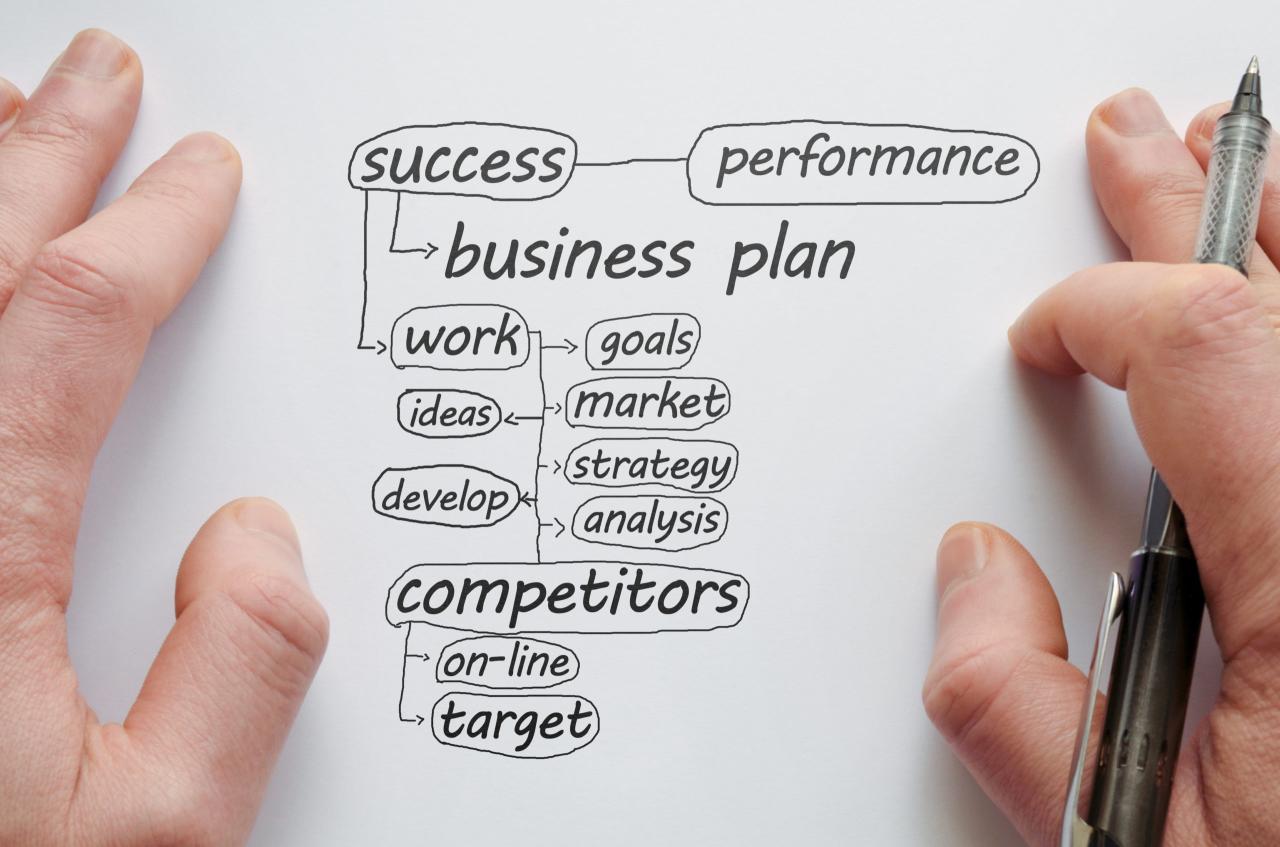
Efficient travel logistics are crucial for a smooth and enjoyable vacation. This involves strategically planning flights, accommodation, and transportation within your destination. Proper planning can save you time, money, and stress, allowing you to focus on the fun aspects of your trip.
Flight Booking Optimization
Finding the best flight deals requires a strategic approach. Several factors influence flight prices, and understanding these can help you secure better fares.
- Utilizing Flight Comparison Websites: Use websites like Google Flights, Skyscanner, Kayak, and Momondo to compare prices across different airlines and travel agencies. These tools often display prices in a calendar format, making it easy to identify the cheapest days to fly.
- Being Flexible with Travel Dates: Flight prices fluctuate based on demand. Flying on weekdays (Tuesday or Wednesday) is generally cheaper than flying on weekends. Consider adjusting your travel dates by a day or two to potentially save money.
- Setting Price Alerts: Most flight comparison websites allow you to set price alerts for specific routes. You’ll receive email notifications when prices change, allowing you to book when the price drops.
- Considering Connecting Flights: Direct flights are convenient but often more expensive. Connecting flights, especially those with longer layovers, can be significantly cheaper. Be sure to factor in the total travel time and the risk of missed connections when considering this option.
- Booking in Advance (or Not): There’s no single “best” time to book flights, as prices vary. Generally, booking several months in advance can secure better prices, especially for popular destinations. However, last-minute deals can sometimes emerge, though this is less reliable. Consider booking 2-6 months in advance for international flights and 1-3 months for domestic flights.
- Checking Airline Websites Directly: While comparison websites are useful, it’s also worth checking airline websites directly. Sometimes, airlines offer exclusive deals or promotions not available elsewhere.
Accommodation Selection Methods
Choosing the right accommodation significantly impacts your vacation experience. Different types of accommodation offer various advantages and disadvantages.
- Hotel Comparison: Hotels offer a range of amenities and services, such as room service, housekeeping, and on-site facilities. Hotels provide different options, from budget-friendly to luxury, and are typically located in convenient locations.
- Vacation Rentals (Airbnb, VRBO): Vacation rentals often provide more space and privacy than hotels, and they usually come with kitchen facilities, which can save on dining costs. They’re a good choice for families or groups. However, standards can vary, and you might need to handle more logistics yourself.
- Hostels: Hostels are a budget-friendly option, offering shared dorm rooms and common areas, which are ideal for solo travelers or those looking to socialize. They can be found in most major cities. The trade-off is often less privacy and potentially shared facilities.
- Boutique Hotels: These offer a more personalized and unique experience than larger chain hotels, with a focus on design and local culture. They can be more expensive, but offer a more intimate and stylish stay.
- Consider Location: Think about proximity to attractions, public transportation, and amenities. Choose a location that fits your itinerary.
- Read Reviews: Check reviews on websites like TripAdvisor and Booking.com to get insights from previous guests. Pay attention to ratings, comments about cleanliness, noise levels, and customer service.
Transportation Planning
Efficient transportation within your destination is essential for maximizing your time and minimizing stress. The best method depends on your budget, travel style, and the destination itself.
| Transportation Method | Pros | Cons | Best For |
|---|---|---|---|
| Public Transportation (Buses, Trains, Subways) |
|
|
Budget travelers, exploring cities, frequent stops. |
| Taxis/Ride-Sharing Services (Uber, Lyft) |
|
|
Door-to-door convenience, short distances, late-night travel. |
| Rental Cars |
|
|
Road trips, exploring rural areas, flexibility. |
| Walking/Cycling |
|
|
Short distances, city exploration, good weather. |
Budgeting and Expense Tracking

Planning a vacation involves more than just dreaming about destinations and activities; it requires careful financial planning. Creating a realistic budget and diligently tracking expenses are crucial for a stress-free and enjoyable trip. This section will guide you through the process, ensuring you stay within your financial boundaries and make the most of your vacation funds.
Creating a Vacation Budget
A well-defined budget acts as your financial roadmap, guiding your spending and preventing overspending. The process involves estimating costs for various aspects of your trip and allocating funds accordingly.To start creating your vacation budget, consider these steps:
- Determine Your Total Available Funds: Before you start estimating expenses, clearly define how much money you have available for your vacation. This includes savings specifically for the trip, any allocated funds from your regular budget, and any potential income sources, such as a vacation bonus.
- Research and Estimate Costs: This is the most crucial part. Research and estimate the costs for each aspect of your vacation. Utilize online resources, travel blogs, and AI tools to gather data.
- Categorize Expenses: Group your estimated costs into categories to make tracking easier. Common categories include transportation, accommodation, activities, food and drinks, and miscellaneous expenses.
- Allocate Funds for Each Category: Based on your research and preferences, allocate a specific amount of money for each category. Prioritize your spending based on what’s most important to you. For example, if you prioritize luxurious accommodation, allocate a larger portion of your budget to that category.
- Create a Contingency Fund: Always include a contingency fund (typically 10-15% of your total budget) to cover unexpected expenses, such as unforeseen travel delays, medical emergencies, or unexpected activities.
- Review and Adjust: Regularly review your budget as your plans evolve. Adjust allocations as needed based on new information or changing preferences.
Estimating Vacation Costs
Accurate cost estimation is the foundation of a successful budget. Let’s look at how to estimate costs for different vacation aspects:
- Flights:
Flight costs vary significantly based on destination, time of year, and booking time. Use flight comparison websites and AI-powered travel tools to find the best deals. Consider the following:
- Destination: International flights are generally more expensive than domestic flights.
- Time of Year: Travel during the off-season or shoulder season (spring or fall) to save money.
- Booking Time: Booking flights in advance often yields lower prices. Some studies suggest booking flights 2-3 months in advance for domestic travel and 5-6 months for international travel.
Example: A round-trip flight from New York to London might cost $600-$1200 depending on the season and airline. Use AI tools to predict price fluctuations based on historical data.
- Accommodation:
Accommodation costs vary widely based on the type of lodging (hotel, Airbnb, hostel), location, and amenities. Research different options and compare prices. Consider:
- Type of Accommodation: Hostels are the most budget-friendly, followed by Airbnb, then budget hotels, and finally, luxury hotels.
- Location: Staying outside the city center can save money, but factor in transportation costs.
- Duration of Stay: The longer your stay, the more you will pay.
Example: A budget hotel in Paris might cost $100-$200 per night, while an Airbnb apartment could range from $120-$300. Use AI to compare accommodation prices across different platforms.
- Activities:
Activity costs include entrance fees, tours, and transportation within your destination. Research and estimate these costs based on your planned activities. Consider:
- Entrance Fees: Museums, theme parks, and historical sites often charge entrance fees.
- Tours: Guided tours can be a great way to experience a destination but can be expensive.
- Transportation: Factor in the cost of public transportation, taxis, or rental cars.
Example: A visit to the Colosseum in Rome might cost around $20-$30 per person, plus the cost of transportation to and from the site. Research free activities like walking tours or visiting public parks to save money. Use AI to suggest affordable activity options based on your interests.
- Food and Drinks:
Food and drink expenses can vary greatly based on your dining preferences. Estimate costs based on whether you plan to eat at restaurants, cook your meals, or enjoy street food. Consider:
- Dining Preferences: Fine dining is more expensive than casual dining or preparing your own meals.
- Location: Food costs can be higher in tourist areas.
- Alcohol Consumption: Drinks can significantly increase your food budget.
Example: Budgeting $50-$100 per day for food and drinks in a moderately priced destination might be sufficient. Research local grocery stores and markets to reduce food costs. Use AI to find affordable restaurants and food options.
- Transportation within the Destination:
This includes the costs of getting around your destination, whether by public transport, taxi, or rental car. It’s crucial to estimate these costs accurately.
- Public Transportation: Buses, trains, and subways are usually the most affordable options.
- Taxis and Ride-Sharing: Taxis and ride-sharing services are more convenient but can be more expensive, especially during peak hours.
- Rental Cars: Renting a car gives you flexibility, but it comes with additional costs like fuel, insurance, and parking fees.
Example: A week-long public transportation pass in London might cost around $50, while a taxi ride from the airport could be $50-$100, depending on the distance and traffic. Use AI to suggest the most cost-effective transportation options.
- Miscellaneous Expenses:
This category covers expenses that don’t fit into other categories, such as souvenirs, travel insurance, visa fees, and communication costs. It’s important to include this category to account for unexpected expenses.
- Souvenirs: Set a budget for souvenirs and gifts.
- Travel Insurance: Purchase travel insurance to cover medical emergencies, trip cancellations, and lost or stolen belongings.
- Visa Fees: If required, factor in the cost of visa applications.
- Communication: Include costs for international calls, data roaming, or a local SIM card.
Example: Allocate around $100-$200 for souvenirs and gifts. Travel insurance costs can vary depending on the coverage and duration of your trip, but typically range from 5-10% of the total trip cost. Use AI to find affordable travel insurance options.
Expense Tracking Categories and Examples
Tracking your expenses is essential to staying within your budget. Use a spreadsheet, budgeting app, or even a notebook to record your spending.Here is a list of expense categories to track during your trip, with examples for each:
| Expense Category | Examples |
|---|---|
| Flights | Round-trip airfare, baggage fees, seat selection fees |
| Accommodation | Hotel stays, Airbnb rentals, hostel fees |
| Activities | Entrance fees (museums, theme parks), tour costs, activity rentals (bikes, kayaks) |
| Food and Drinks | Restaurant meals, snacks, groceries, beverages |
| Transportation | Public transportation fares, taxi/ride-sharing costs, rental car fees, gas |
| Miscellaneous | Souvenirs, travel insurance, visa fees, communication costs (SIM card, data), laundry, tips |
Use a budgeting app like Mint or Trail Wallet to automatically track your expenses by linking your bank accounts and credit cards. Regularly review your spending against your budget and make adjustments as needed. For example, if you overspent on food, you might need to reduce spending in another category, such as activities.
Customizing Your Itinerary: Adding Personal Touches
Adding personal touches transforms a standard vacation into a uniquely memorable experience. It’s about infusing your itinerary with elements that reflect your individual interests, passions, and preferences. This ensures the trip resonates with you on a deeper level, creating lasting memories and a truly personalized adventure.
Incorporating Personal Interests and Hobbies
Integrating your hobbies and interests into your vacation planning enriches the travel experience. This can range from simple additions to elaborate activities, all tailored to your specific passions.
- Culinary Enthusiasts: If you love cooking, consider a local cooking class specializing in regional cuisine. This is more than just learning recipes; it’s an immersive cultural experience. For example, in Tuscany, Italy, you could learn to make pasta from scratch, visiting local markets to select fresh ingredients.
- Art and History Buffs: Schedule visits to museums, art galleries, and historical sites that align with your interests. Extend beyond the typical tourist routes by exploring lesser-known collections or taking specialized guided tours. A trip to Florence, Italy, could include a private tour of the Uffizi Gallery focusing on Renaissance masterpieces, providing deeper insights than a general tour.
- Outdoor Adventurers: Incorporate activities like hiking, kayaking, or cycling based on your fitness level and preferences. Research trails or routes that offer stunning scenery and opportunities for wildlife viewing. Consider a guided hike in the Scottish Highlands, with options to learn about local flora and fauna, or a kayaking tour in the Norwegian fjords.
- Music Lovers: Attend concerts, music festivals, or visit venues that showcase local music scenes. Look for opportunities to discover new artists or experience genres that you enjoy. A trip to New Orleans could include live jazz performances in the French Quarter, immersing yourself in the city’s rich musical heritage.
- Photography Aficionados: Plan your itinerary around scenic locations and allocate time for photography. Research optimal lighting conditions and consider hiring a local photographer for a personalized photoshoot. A trip to Iceland could involve capturing the Northern Lights, with opportunities to learn about landscape photography techniques.
Unique Experience: A Private Culinary Adventure
A private cooking class provides an immersive and personalized culinary experience. This is an excellent way to learn about local cuisine, techniques, and ingredients while creating a memorable vacation experience.
Here’s a detailed description of a private cooking class:
- Location and Setting: The class takes place in a professional kitchen or a local chef’s home. The environment is warm, inviting, and equipped with all the necessary tools and ingredients. The setting is chosen to complement the cuisine being prepared, such as a Tuscan farmhouse for Italian cooking.
- Chef and Instruction: A highly skilled and experienced chef leads the class. They have a deep understanding of the local cuisine and are passionate about sharing their knowledge. The instruction is personalized, catering to the skill level and interests of the participants. The chef will demonstrate techniques, provide hands-on guidance, and share stories about the food and culture.
- Menu and Ingredients: The menu is carefully curated, featuring authentic local dishes made with fresh, seasonal ingredients. The chef sources the ingredients from local markets and farms, highlighting the region’s culinary heritage. Participants learn to prepare a multi-course meal, from appetizers to desserts.
- Hands-On Experience: The class is highly interactive, with participants actively involved in the cooking process. They chop vegetables, mix ingredients, and learn to prepare each dish under the chef’s guidance. This hands-on approach ensures a memorable and educational experience.
- Tasting and Enjoyment: After the cooking is complete, participants sit down to enjoy the meal they have prepared. They can savor the flavors of the dishes and share their experiences with the chef and other participants. This creates a sense of camaraderie and celebration.
- Customization: The class can be customized to accommodate dietary restrictions, preferences, and skill levels. The chef can adapt the menu to include specific dishes or focus on particular techniques. This ensures a personalized and enriching experience.
Example: In Marrakech, Morocco, a private cooking class could involve learning to prepare traditional tagines, couscous, and mint tea. The class would start with a visit to the local souk (market) to select fresh spices and ingredients, followed by hands-on instruction from a skilled Moroccan chef. The meal would be enjoyed in a beautifully decorated riad (traditional Moroccan house), providing an authentic cultural experience.
Contingency Planning: Addressing Potential Issues
Planning a vacation with AI can streamline many aspects of your trip, but it’s essential to remember that unforeseen circumstances can still arise. Effective contingency planning helps mitigate the impact of unexpected events, ensuring a smoother and less stressful travel experience. By anticipating potential problems and preparing for them, you can significantly reduce the chances of a minor inconvenience turning into a major disruption.
Preparing for Common Travel Disruptions
Travel is inherently unpredictable. Flights can be delayed or canceled, luggage can be lost, and health issues can occur. Proactive preparation is key to managing these challenges effectively.Here’s how to prepare for some common travel disruptions:
- Flight Delays and Cancellations:
Before your trip, download the airline’s app and sign up for flight alerts. Check your flight status regularly, especially in the days leading up to your departure and during your trip. Be aware of your airline’s policies regarding compensation for delays and cancellations, including potential reimbursements for meals, accommodation, and alternative transportation. Consider purchasing travel insurance that covers flight disruptions.
- Lost Luggage:
Pack essential items, such as medications, important documents, and a change of clothes, in your carry-on bag. Take photos of your luggage and its contents before your trip. Attach luggage tags with your contact information (including a phone number) both inside and outside your bags. Upon arrival, report any lost luggage to the airline immediately and obtain a file reference number.
Keep all receipts for expenses incurred due to lost luggage, as these may be covered by travel insurance or the airline.
- Health Concerns:
Consult your doctor before traveling to discuss any necessary vaccinations or health precautions, particularly if you’re visiting a destination with specific health risks. Pack a basic first-aid kit and any necessary prescription medications, along with copies of your prescriptions. Research local medical facilities and emergency contact information at your destination. Ensure your travel insurance covers medical expenses and emergency evacuation.
- Natural Disasters and Political Unrest:
Monitor news and travel advisories from your home country’s government and other reliable sources for any potential threats at your destination. Consider purchasing travel insurance that covers cancellations or interruptions due to natural disasters or political instability. Have a backup plan in case your original itinerary needs to be altered or canceled. Keep copies of important documents, such as your passport and visa, separate from the originals.
Essential Items for a Travel Emergency Kit
A well-stocked emergency kit can provide peace of mind and help you handle various unexpected situations. This kit should be easily accessible in your carry-on luggage or a small, portable bag.Here’s a list of essential items to include:
- Medications:
Any prescription medications you take, along with copies of your prescriptions. Over-the-counter pain relievers (e.g., ibuprofen, acetaminophen), anti-diarrheal medication, motion sickness medication, and any other personal medications.
- First-Aid Supplies:
Adhesive bandages in various sizes, antiseptic wipes, antibiotic ointment, gauze pads, medical tape, small scissors, tweezers, and a thermometer.
- Toiletries:
Travel-sized toiletries, including toothbrush, toothpaste, soap, shampoo, and any personal hygiene items you need. Hand sanitizer and wet wipes.
- Documents and Information:
Copies of your passport, visa, driver’s license, travel insurance information, and emergency contact information. A list of important phone numbers, such as your doctor, bank, and embassy.
- Other Essentials:
A universal travel adapter, a portable charger for your phone, a small flashlight, a whistle, and a small amount of cash in various denominations. Consider including a basic sewing kit and a small multi-tool.
Reviewing and Refining Your Itinerary

Preparing your vacation itinerary is a dynamic process, and the final step is to review and refine it. This stage ensures your plans align with your evolving needs and any new information that surfaces. Thorough review and adjustments before your trip maximize your enjoyment and minimize potential stress.
Methods for Itinerary Review
Before finalizing your itinerary, several methods help ensure its completeness and accuracy. These methods provide a comprehensive overview of your plans.
- Reviewing Destination Information: Re-examine the destination’s official tourism websites, recent travel blogs, and travel forums. Verify opening hours for attractions, transportation schedules, and any new travel advisories.
- Checking Accommodation Details: Confirm your hotel or rental reservations, including check-in/check-out times, included amenities, and cancellation policies. Double-check the address and contact information.
- Verifying Transportation: Review flight, train, or bus schedules. Confirm your bookings, including seat assignments and baggage allowances. Check for potential delays or disruptions.
- Assessing Activity Bookings: Reconfirm all pre-booked tours, activities, and reservations. Review the details, including meeting points, start times, and any required documents or gear.
- Evaluating Budget and Expenses: Revisit your budget and track your expenses. Ensure your spending aligns with your plan and adjust as necessary. Consider currency exchange rates and any unexpected costs.
- Checking Weather Forecasts: Monitor the weather forecast for your travel dates and pack accordingly. Consider packing rain gear, sunscreen, or warmer clothing, depending on the predicted conditions.
Adjusting Your Itinerary Based on New Information
Unexpected circumstances or new information often necessitate adjustments to your itinerary. Flexibility is key to ensuring a successful trip.
- Unexpected Closures: If an attraction is closed for maintenance or due to unforeseen circumstances, research alternative activities or attractions nearby. Consider adjusting your schedule to accommodate the change.
- Transportation Delays: If flights, trains, or buses are delayed or canceled, contact the transportation provider for updates and rebooking options. Adjust your itinerary to account for the delay, such as re-arranging activities or accommodation.
- Weather Changes: If the weather forecast changes significantly, adjust your activities. For example, consider indoor activities on rainy days or outdoor activities on sunny days.
- New Information and Recommendations: Read recent travel blogs or forums and note any new recommendations or warnings. These could influence your plans.
- Personal Preference Changes: Your preferences may change as you learn more about your destination. Be flexible and open to adjusting your plans based on new information.
An Ideal Vacation Day Description
An ideal vacation day balances planned activities with moments of relaxation and spontaneity. Here is a detailed description of how an ideal vacation day might unfold.The day begins with a leisurely wake-up. Instead of an alarm, natural light gently awakens you. After enjoying a light breakfast, perhaps with local pastries and fresh coffee, the morning is dedicated to exploring a key attraction.
For instance, visiting the Colosseum in Rome, Italy, allows for a few hours to immerse oneself in history. After exploring the Colosseum, the day would progress to a nearby cafe.The afternoon is reserved for a more relaxed pace. This could include a guided walking tour of the city, or a relaxing lunch at a local restaurant. This allows for opportunities to interact with locals and discover hidden gems.The evening is dedicated to enjoying a delicious dinner at a restaurant.
After dinner, there is a leisurely stroll through the city, perhaps enjoying a gelato or local dessert. The day ends with a return to the accommodation, allowing for reflection and anticipation of the next day’s adventures. This flow balances structure with flexibility, ensuring a memorable and enjoyable vacation experience.
Last Point
By following these steps, you’ll be well-equipped to plan your next vacation itinerary with confidence and ease. From defining your preferences to incorporating personal touches and preparing for unexpected events, you now have the tools to craft a truly unforgettable travel experience. Remember, the key is to embrace the planning process, leverage the power of AI, and enjoy the anticipation of your upcoming adventure.
Bon voyage!